Spatial Inequality Lab
The Spatial Inequality Lab at Rice University studies how inequality is built into the physical structure of cities. We examine how road networks, physical barriers, and the legacies of discriminatory policy shape residential segregation and the everyday experience of urban space. Our work combines sociological theory with computational, spatial, and network methods — and develops new methods where existing ones fall short. The lab is directed by Dr. Elizabeth Roberto.
People
Director
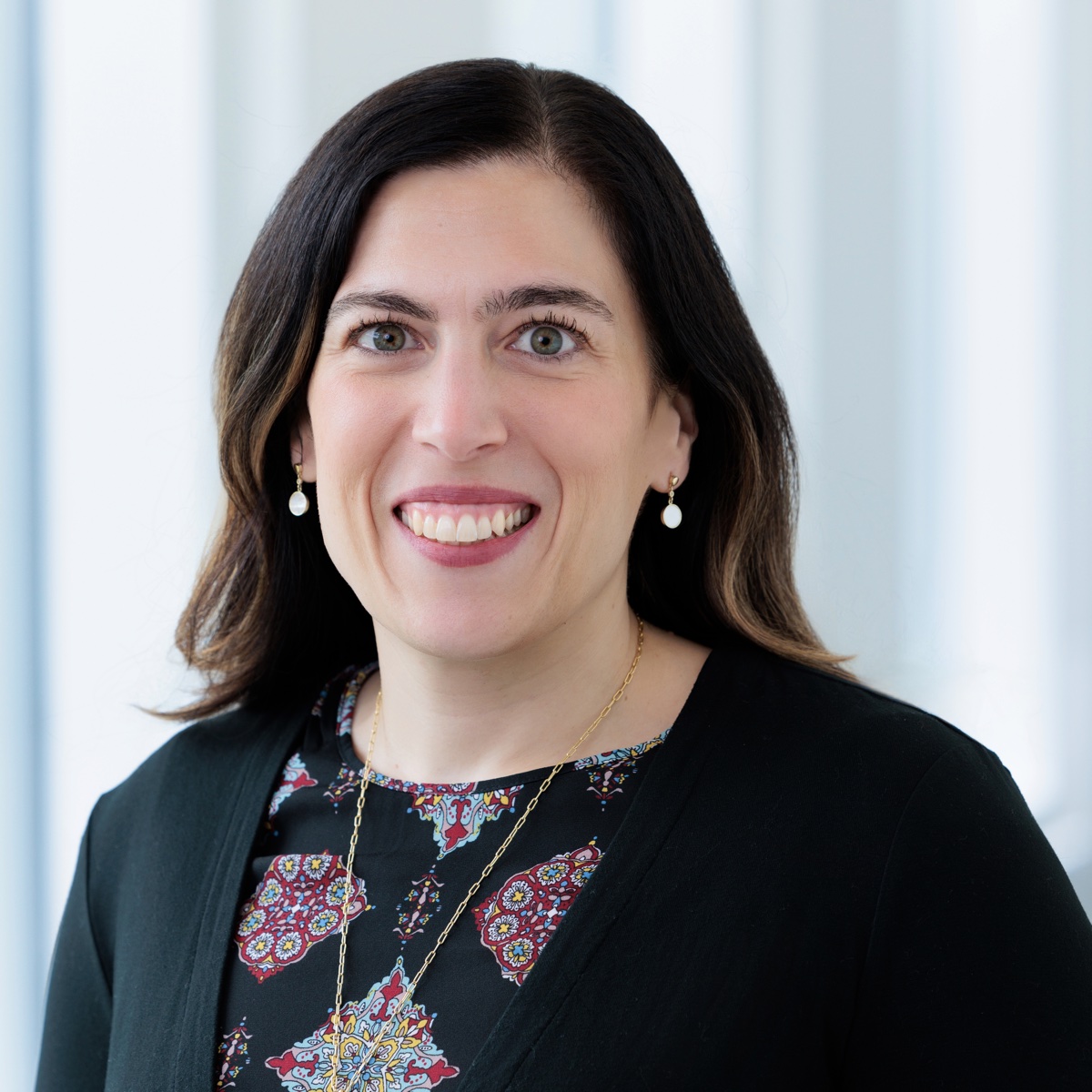
Assistant Professor, Department of Sociology, Rice University.
Her research examines how social inequality takes physical form — in road networks, physical barriers, and the built environment — and how that form, in turn, sustains residential segregation.
Graduate Students
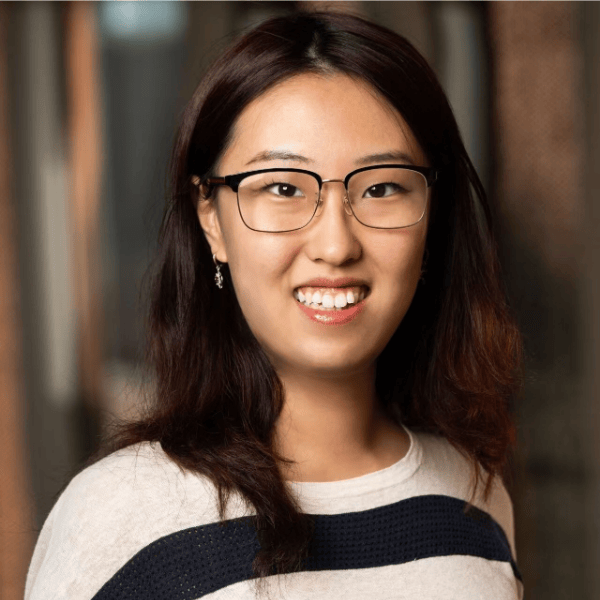
Doctoral student in Sociology.
Her research interests include urban sociology, neighborhood change, and smart city planning.
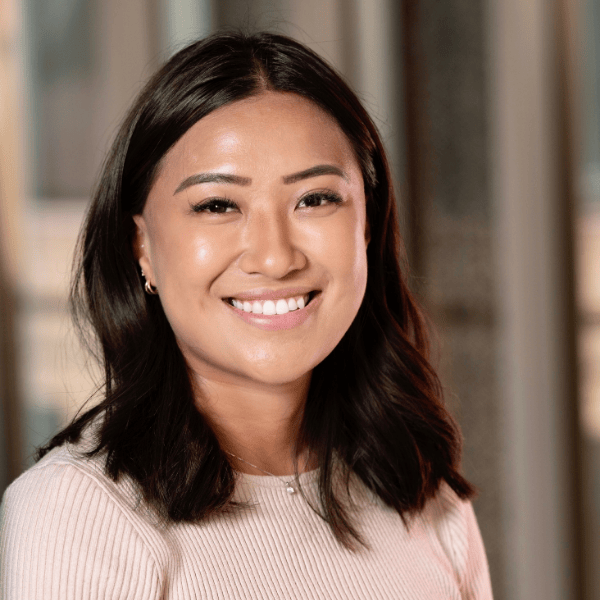
Doctoral student in Sociology.
Her research examines how spatial and social contexts shape health and health care access.
Alumni
Graduate students
Simon Fern.
Undergraduate researchers
Alyssa Boerst, Yaerim Choi, Brendan Frizzell, Zain Khemani, Brooke Ramnath, Alejandro Salinas, Audrey Wang, and Christine Xu.
Join the Lab
I welcome inquiries from Rice undergraduate and graduate students interested in spatial inequality and/or computational social science. Email me to describe your interests.